
LOW OFFER? FREE VALUATION REVIEW
Total Loss and Write-Off Claims - Challenging a Low Valuation
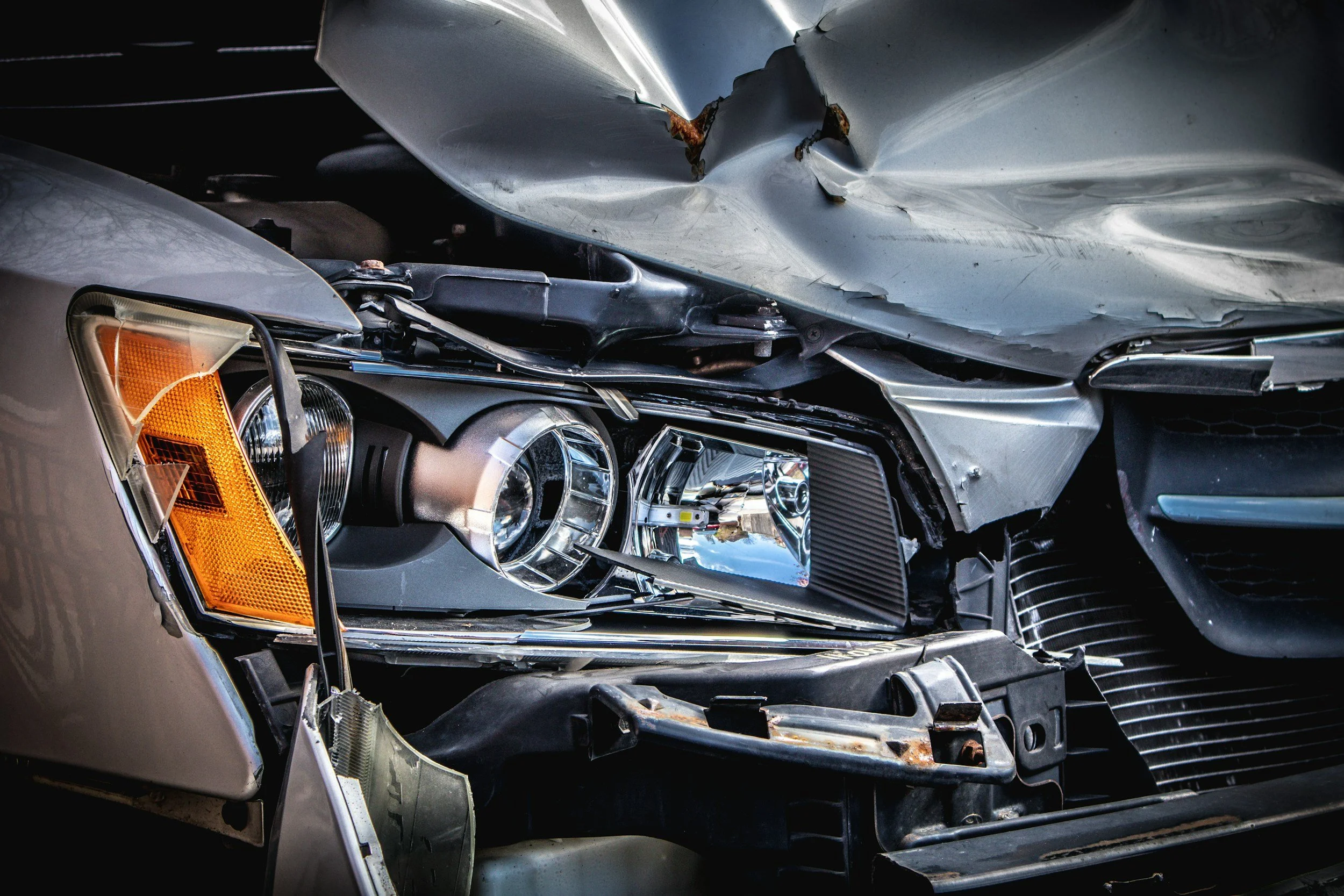
A write-off is not a verdict on how much your car was worth. It only means the cost of repairing it exceeded what the insurer is prepared to spend. A perfectly good, well-maintained car can be written off by a rear-end shunt that would cost £3,000 to put right.
Like-for-like replacement vehicle

No impact on your No Claims Bonus
No car insurance excess to pay
Manufacturer approved repair network
Dedicated claims handler & live updates
What does it mean if my car is written off?
A vehicle is written off — declared a total loss — when the insurer decides it is uneconomical or unsafe to repair. Instead of paying for repairs, they pay you the vehicle’s pre-accident market value.
Written-off vehicles in the UK are assigned a salvage category:

The category is recorded permanently against the vehicle and will show on future history checks. That is why a Cat S or Cat N marker affects resale value even after a first-class repair.
How Is the Value of My Car Decided?
The measure is your vehicle’s market value immediately before the accident — what it would have cost you to buy the same car, in the same condition, with the same mileage, at that moment.
Insurers typically start from trade valuation guides. Those guides are a starting point, not the answer. They do not know that your car had a full main-dealer service history, four new tyres fitted in March, a factory option pack, or 30,000 fewer miles than the average for its year.
The way to move a valuation is evidence:
-
01
Comparable adverts.
Three or four live listings for the same model, year, mileage and specification, from dealers within a sensible distance. Screenshot them with the date visible.
-
02
Your car's condition record.
Service history, MOT history, recent invoices for tyres, brakes, cambelt, bodywork.
-
03
Specification.
Optional extras that were on the car and are not assumed in the base valuation.
-
04
An independent valuation.
Where the sums justify it, we arrange a professional valuation to put behind the case.
We assemble this and put it to the at-fault insurer as a considered case rather than a complaint. Valuations do move — but they move in response to evidence, not to frustration.
Should I Accept the First Offer?
Not without checking it. An opening offer is an opening position, and accepting it usually closes the matter for good.
Before you accept anything, be aware of three things:
Once you agree a figure and it is paid, reopening it is difficult.
If you have a hire vehicle, the clock on it is tied to the settlement, so understand the timing before you agree. See courtesy car and credit hire.
Your excess, your lost earnings, your recovery and storage charges and your other costs sit outside the vehicle valuation. See uninsured loss recovery.
If the offer is fair, we will tell you it is fair. There is nothing to gain from dragging out a reasonable settlement.
Can I Keep My Car If It Is Written Off?
Sometimes. With Cat S and Cat N vehicles it is often possible to retain the salvage, in which case the salvage value is deducted from your settlement figure and the vehicle stays with you.
Whether that is a good idea depends on the repair cost, the category, and what you intend to do with it afterwards. Cat A and Cat B vehicles cannot be retained for road use at all.
If you are considering it, get a repair estimate before you decide, not after.
Talk to us today
Call us now — our team is available 24 hours a day, 7 days a week. If you've been in an accident that wasn't your fault, we can help.
0800 820 3860
Free, no obligation
Frequently Asked Questions
Still unsure? Here are the questions we're asked most often.
-
It varies with liability and how contested the valuation is. A straightforward, admitted-liability claim with a sensible opening offer moves quickly; a disputed valuation takes longer. We will give you a realistic view of your case rather than an optimistic one.
-
Yes, and it is important to tell us at the outset. The settlement goes towards the outstanding finance and a shortfall may remain — GAP insurance, if you have it, exists to cover exactly that gap.
-
You can usually reclaim unused road tax from the DVLA once the vehicle is disposed of. Unused insurance premium depends on your policy terms — ask your insurer directly.
-
Cat N means the damage was non-structural, not that it was minor. Airbag deployment alone can make a repair uneconomical on an older car, because airbag modules and dashboard replacement are expensive.
-
Notifying an accident can affect renewal pricing even where you were not at fault.
-
Loss of use is a recognised head of claim where you were genuinely without a vehicle and did not take a replacement. See uninsured loss recovery.